How To Make Money on YouTube in 2024
At this moment, we reside in digital environments that are different and one of the new unique conditions that creators can take advantage of is YouTube. This is mostly because many people view YouTube content daily This makes YouTube a one stop place for those who want to make money by creating content for a profitable YouTube channel. How to Earn Money on YouTube: 8 Innovative Strategies for the Year 2022. This article is in attempt to show and clarify different ways and ideas about how creators can or could earn a living with their passion.
Some of the aspects associated with ways of earning may be easier to comprehend by stepping on occasions when the source of income, for instance, becoming the YouTube Partner, is a crucial moment for those who want to learn how to make money on YouTube. More interestingly, the readers will learn how they could earn some additional money with the help of affiliate marketing, another way to make money on YouTube without creating videos. Also, the guide will include information about how to sell products with the help of rather unconventional methods, how to attract the interested party to club membership, product collaboration with brands, and similar practices. Readers who want to know some particular numbers, such as how many views on YouTube do you need to make money or how many subscribers on YouTube to make money, will find all the answers here and this article is a good source for finding all these pieces of information and provides readers with all the necessary knowledge on this topic and helps them to get a diversified and well-rounded understanding of making money from YouTube views and beyond.
Please watch the following video from the “Make Money Matt” channel:
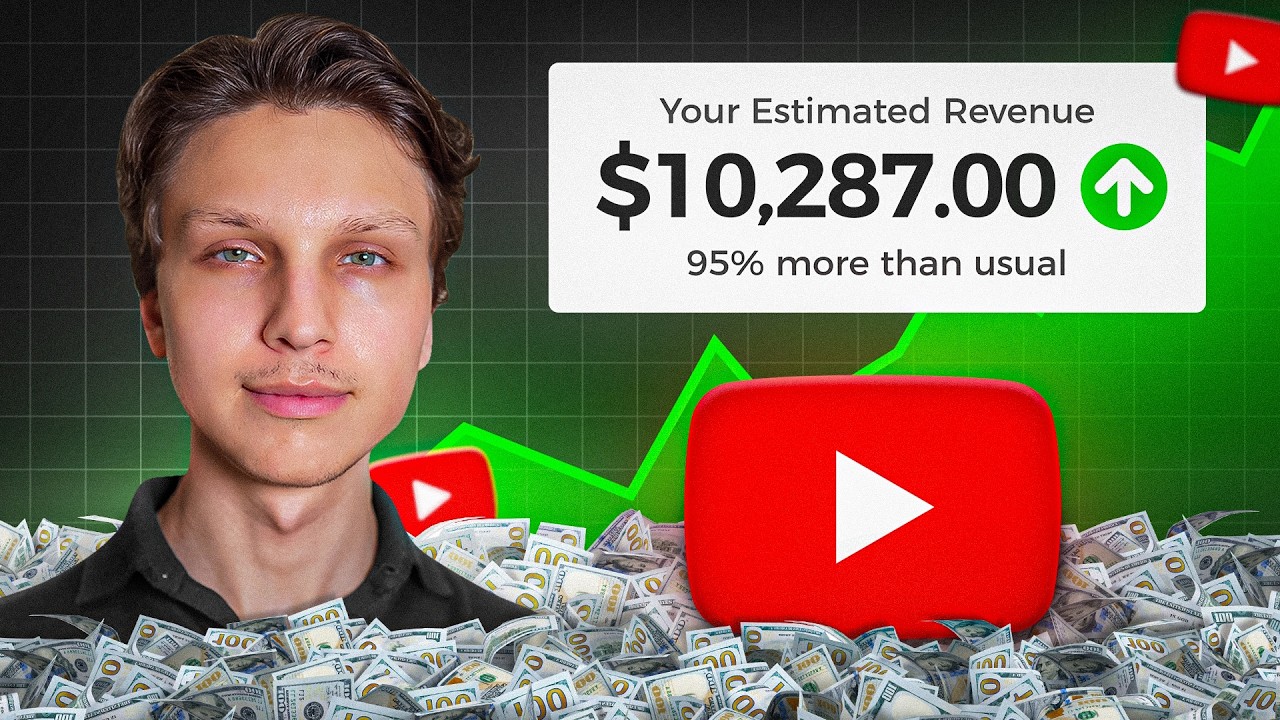
12 YouTube Channels You Can Start To make $10,000 Per Month
Join the YouTube Partner Program
Requirements to Join
To become a member of the YouTube Partner Program (YPP), creators must adhere to several criteria. They must reside in a country where YPP is available and ensure their channel has no active Community Guidelines strikes. Additionally, channels must have at least 1,000 subscribers and either 4,000 valid public watch hours in the past 12 months or 10 million valid public Shorts views in the last 90 days. It is also mandatory to have a linked AdSense account and two-factor authentication enabled for added security.
Steps to Apply
- Sign into YouTube and Navigate to YouTube Studio: Creators should start by signing into their YouTube account, accessing YouTube Studio through their profile picture in the top right corner, and selecting the ‘Earn’ tab.
- Review and Accept YPP Terms: The next step involves reviewing and accepting the YouTube Partner Program terms to ensure understanding and compliance.
- Link an AdSense Account: Creators must either link an existing AdSense account or set up a new one through YouTube Studio, which is crucial for monetization.
- Application Review: After these steps, the channel enters a review queue, where both automated systems and human reviewers ensure it adheres to YouTube’s policies and guidelines.
Maximizing Ad Revenue
Once accepted into YPP, creators can engage with multiple revenue streams. They can enable monetization features like Watch Page Ads, Shorts Feed Ads, Memberships, and more. Each feature requires the creator to review and accept specific module terms to start earning from them. Additionally, understanding the dynamics of YouTube Premium can further enhance earnings, as creators get compensated for the time Premium subscribers spend watching their content.
Utilize Affiliate Marketing
Choosing Products or Services
- Identify Relevant Products: Creators should select products that align well with their channel’s content and audience interests. It’s crucial to choose items that resonate with viewers to maintain authenticity and engagement.
- Engage with Brands: Once a suitable product or service is identified, reaching out to the brand for an affiliate partnership is the next step. This involves negotiating terms and acquiring unique affiliate links.
Promoting Affiliate Links
- Integration into Content: Affiliate links can be seamlessly incorporated into video descriptions, pinned comments, or even within the video content itself through annotations or end screens. This integration should enhance the viewer’s experience without being intrusive.
- Utilize Social Media Platforms: Promoting affiliate products isn’t limited to YouTube. Utilizing other platforms like Instagram, Facebook, or blogs can amplify reach and effectiveness.
- Disclosure and Transparency: It’s essential to disclose the use of affiliate links to maintain trust with the audience. Clear and conspicuous disclosures not only comply with legal requirements but also foster a transparent relationship with viewers.
Tracking and Optimizing Earnings
- Monitor Performance: Using tools provided by affiliate programs, such as dashboards for tracking clicks, conversions, and earnings, is crucial for understanding what works best.
- Analyze and Adjust: Regularly reviewing performance data helps in optimizing strategies. This might involve focusing more on products that perform well or tweaking the way links are presented in content.
- Leverage SEO Techniques: Optimizing video content for search engines can significantly increase the visibility of affiliate-linked videos, thereby boosting potential earnings.
Create and Sell Your Own Products
Types of Products to Sell
- Digital Products: Creators can explore various digital products, such as preschool printables, business trackers, digital planners, and social media planners. These products offer scalability and the potential for a dedicated customer base.
- Personalized Items: Engaging in personalized product creation like home decor, cutting boards, and name puzzles can cater to specific customer needs, making these items highly marketable.
- Templates and Educational Tools: Selling templates for business logos, resumes, or educational workbooks can meet the demands of professionals and educators looking for ready-to-use solutions.
Setting Up an Online Store
- Domain and Platform Selection: The initial step involves choosing a relevant domain name and selecting an e-commerce platform that suits the business model, whether it’s for physical goods or digital products.
- Website Design: Incorporating user-friendly design elements is crucial. Ensuring that the purchase process is intuitive and straightforward, such as having a prominent ‘buy’ button, can significantly enhance customer experience and sales.
- SEO and Content Marketing: Utilizing SEO to improve product visibility and engaging in content marketing through blogs, videos, or podcasts can attract more visitors to the store.
Marketing Your Products
- Social Media and Influencer Collaborations: Leveraging platforms like Instagram, TikTok, or YouTube and collaborating with influencers can amplify reach and credibility.
- Email and Retargeting Campaigns: Building an email list and employing retargeting strategies can keep potential customers engaged and encourage repeat visits and purchases.
- Diverse Selling Channels: Besides an independent e-commerce site, considering platforms like Amazon can increase visibility and sales due to their large user base and higher conversion rates.
Offer Memberships and Sponsored Content
Setting Up Channel Memberships
- Eligibility and Activation: Creators should first verify their eligibility for channel memberships on the YouTube Studio under the Monetization tab. If eligible, they can activate this feature by navigating to the Memberships tab and following the guided setup.
- Creating Membership Tiers: Creators can design up to five different membership tiers, each with unique names, benefits, and price points. This customization allows creators to offer varied options tailored to different segments of their audience.
- Perks and Benefits: Offering exclusive perks such as custom emojis, badges, live streams, and members-only content can enhance the value of memberships. Each tier can include a combination of these perks to appeal to potential members.
- Management and Upgrades: Members can manage their subscriptions through the channel’s membership page, where they can also upgrade or downgrade their membership levels as desired. This flexibility helps maintain subscriber satisfaction and retention.
Securing Sponsorship Deals
- Understanding Sponsorship Types: YouTube creators can explore various sponsorship types, including product reviews, affiliate partnerships, and paid sponsorships. Each type offers different benefits and compensation models, such as free products, commissions, or fixed payments.
- Pitching to Brands: Creators should prepare a compelling pitch highlighting their channel’s value, such as audience demographics, engagement rates, and previous successful partnerships. A well-crafted media kit can significantly aid this process.
- Negotiation and Contracts: Effective negotiation skills are crucial for securing favorable terms. Creators should ensure that sponsorship contracts are clear on deliverables, timelines, content ownership, and payment terms to protect both parties’ interests.
Engaging with Subscribers
- Building Community: Engaging with subscribers is vital for channel growth. Creators should foster a sense of community by responding to comments, hosting live Q&A sessions, and creating content that resonates with their audience.
- Leveraging Social Platforms: Promoting content across various social platforms like Instagram, Facebook, and TikTok can help attract new subscribers and increase engagement. Each platform should have tailored content to effectively capture the audience’s interest.
- Feedback and Adaptation: Continuously gathering subscriber feedback and adapting content strategy accordingly can lead to sustained engagement and growth. This adaptive approach helps creators stay relevant and maintain viewer interest over time.
Conclusion
Navigating the multifaceted realm of YouTube in 2024 offers a formidable opportunity for creators to transform their digital efforts into meaningful earnings. With strategies ranging from joining the YouTube Partner Program and diving into affiliate marketing to selling personalized products and engaging in sponsored content, this guide lays the groundwork for budding and established creators alike to monetize their passion. The comprehensive insights provided not only enlighten creators on tapping into various revenue streams but also underscore the importance of building a dedicated audience and maintaining an authentic relationship with viewers for sustained profitability.
For those ready to venture into this lucrative endeavor, understanding the dynamics of YouTube’s revenue opportunities is pivotal. As digital platforms continue to evolve, staying informed and adaptable to the changing landscape will be key to unlocking the full potential of your YouTube channel. Should you seek further guidance on harnessing these strategies to your advantage, exploring how to make money on YouTube in 2024 could provide the additional insights needed to elevate your YouTube journey. Ultimately, the journey towards YouTube profitability is a blend of strategic planning, creativity, and consistent engagement with your audience, setting the stage for remarkable success in the digital arena.
FAQs
1. Is it possible to earn money on YouTube in 2024?
Yes, you can earn money on YouTube in 2024 by meeting specific criteria and joining the YouTube Partner Program (YPP). To be eligible, your channel needs at least 1,000 subscribers and 4,000 hours of watch time over the previous 12 months.
2. What are the steps to apply for YouTube monetization in 2024?
To apply for YouTube monetization in 2024, you must meet the following new requirements:
- Have at least 500 subscribers.
- Make at least 3 valid public uploads within the last 90 days.
- Accumulate 3,000 watch hours over the past year.
- Achieve 3 million valid public short views within 90 days.
3. What new regulations will YouTube implement in 2024?
In 2024, YouTube will enforce new rules, including labeling AI-generated content, to combat misinformation and prevent creator impersonation. Creators will need to self-certify their AI-generated content to avoid penalties such as content removal or suspension from the YouTube Partner Program.
4. How can you make $10,000 per month on YouTube without creating videos yourself?
To earn $10,000 per month on YouTube without producing your own videos, consider the following strategies:
- Outsource your YouTube channel management.
- Create content for other YouTube channels.
- Design thumbnails for other YouTubers.
- Provide voiceover services for YouTube videos.
- Apply for jobs directly related to YouTube.
- Work as a YouTube consultant.
- Become an affiliate marketer, promoting products on YouTube.